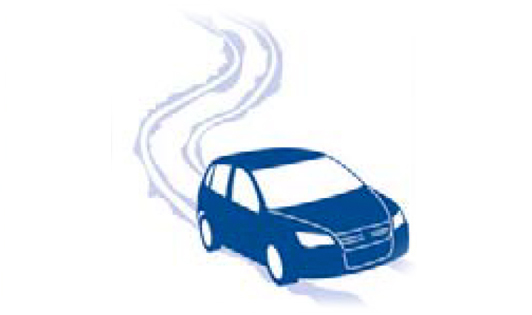
In this training session, you will learn about the 4MOTION drive concept in closer detail. Find out more about the following topics:
Basic principles of the all-wheel drive system
4MOTION all-wheel drive
4MOTION Active Control
Welcome to 4MOTION
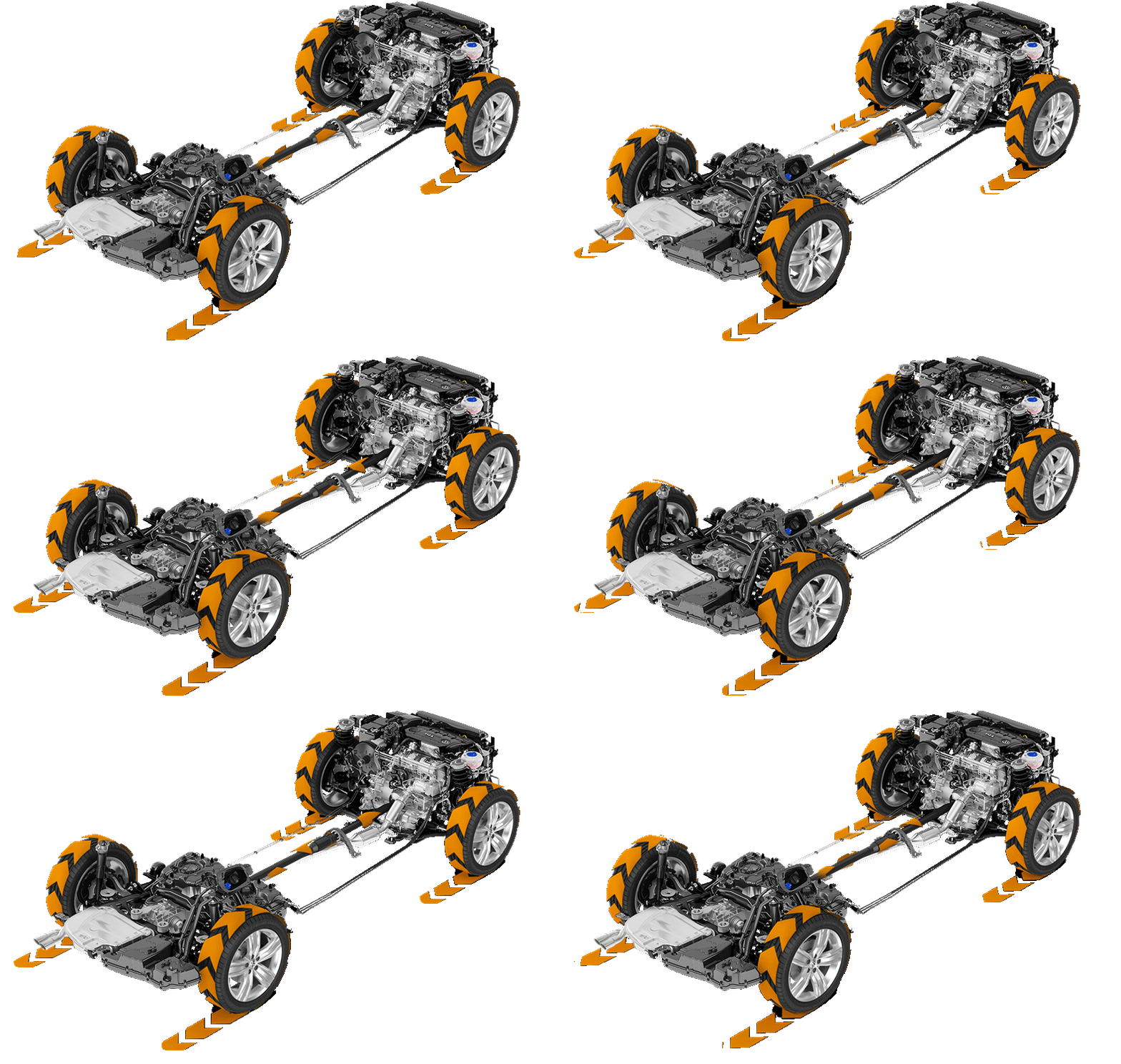
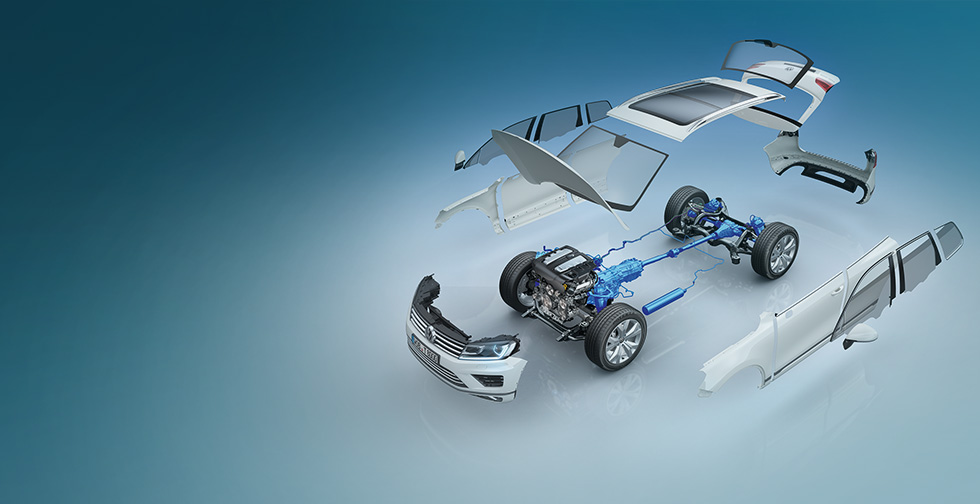
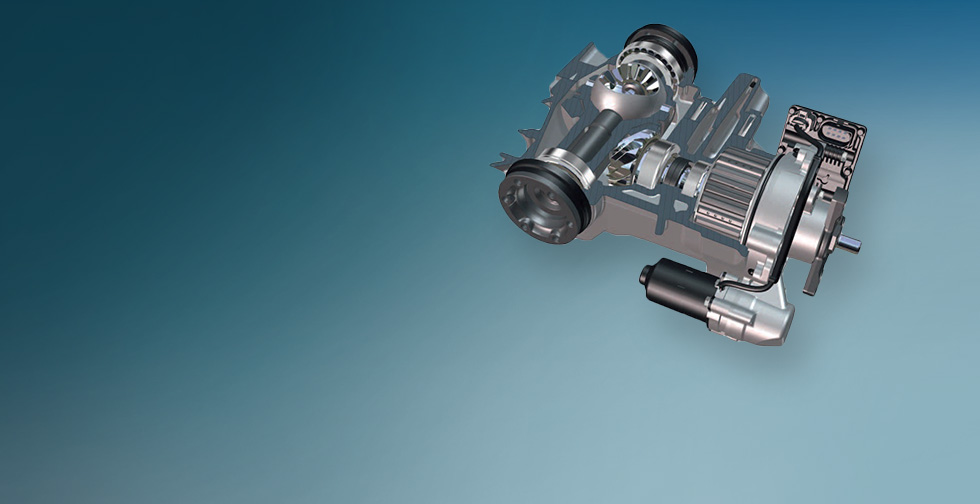
Take a minute to watch the 3D animation of our 4MOTION all wheel drive system for the majority of our vehicles in our lineup equipped with 4MOTION.
The animation was created by Adam Ingram, Western trainer for Volkswagen Canada
Volkswagen all-wheel drives
Now you know which Volkswagen vehicles are available with 4MOTION. A variety of different technology is used in these systems. Click on the small images to find out about the different techniques used.
Torsen differential
For many years now, only one model at Volkswagen uses the Torsen differential; It is the Touareg.
Let's review quickly before we move on to our main 4MOTION system.
The name Torsen is a made-up word, formed from two different words:TORque and SENsitive.
A Torsen differential is a self-locking central differential, which is designed to regulate the differences in speed between the front axle and the rear axle. Furthermore, it distributes the drive forces between the two axles depending on the traction. Its design is purely mechanical and can respond to various situations without wasting any time. Its compact size, light-weight structure and lifetime oil supply means that the transfer gearbox is maintenance-free and reliable.
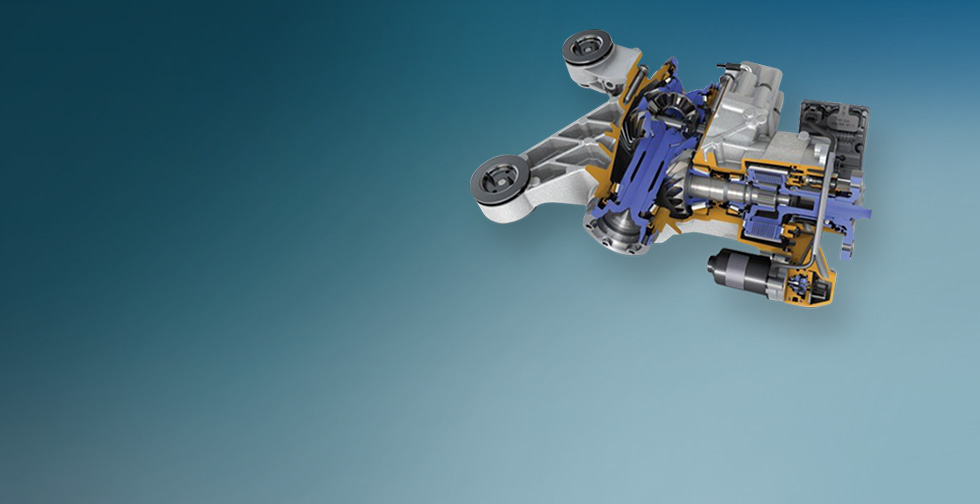
The electronically controlled multi-plate clutch is a fixed component in the ESC electronic stabilization control programme. It adapts the drive system to the situation at hand. While drive power is generally supplied to the front axle at all times, the electronically controlled multi-plate clutch controls the permanent all-wheel drive by activating the rear axle as needed. Within a short space of time, its electric hydraulic pump builds up pressure which the multi-plate clutch applies it as needed.
The engine’s power (drive torque) is applied to all four wheels as required, e.g. if the axle speeds are different due to one of the axles slipping on icy or loose terrain.
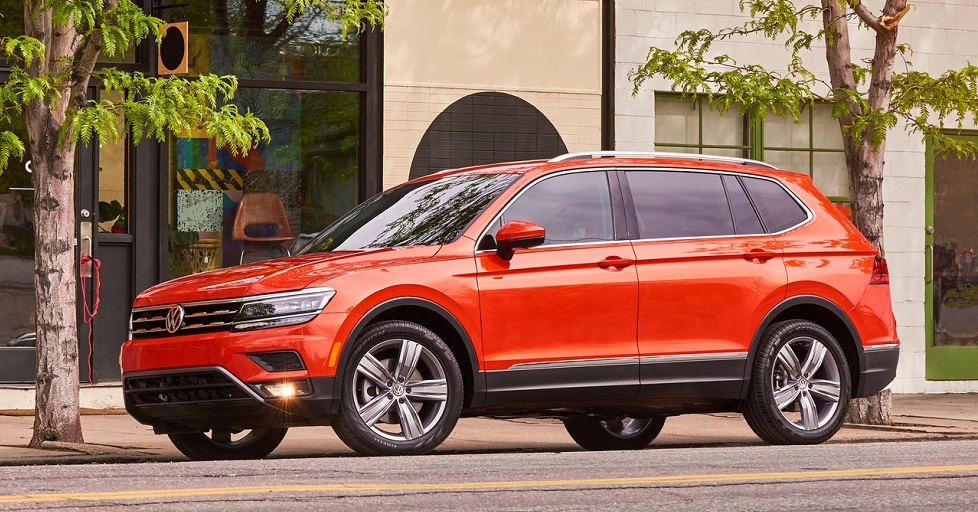
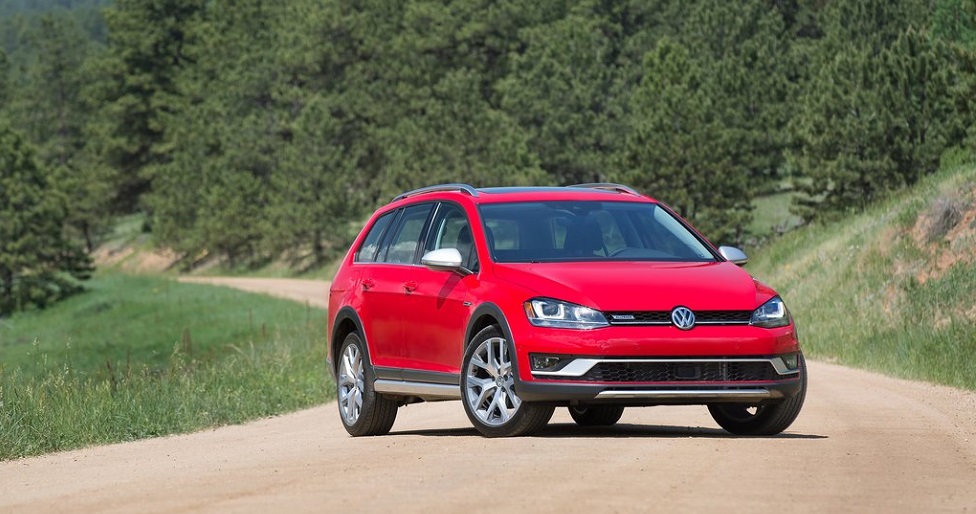
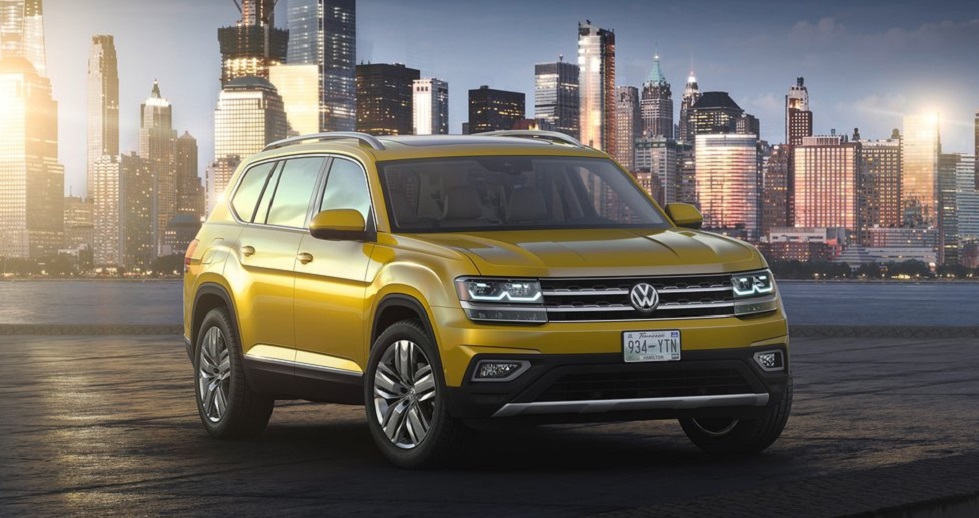
The electronically controlled multi-plate clutch is used in a range of Volkswagen models – Tiguan, Atlas, SportWagen, Alltrack, GolfR and Arteon.
Electronically controlled multi-plate clutch
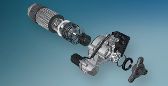
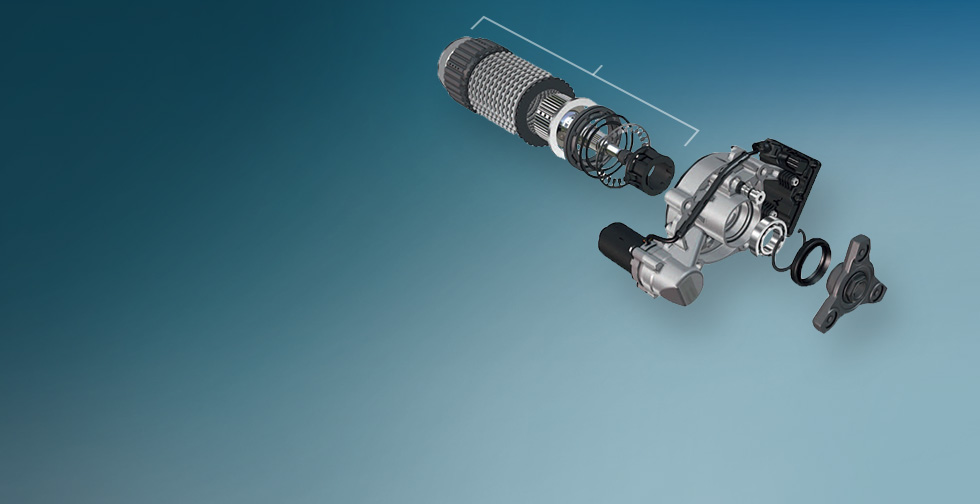
Here you can see the structure of a fifth generation electronically controlled multi-plate clutch.
Structure of the electronically controlled multi-plate clutch
The all-wheel clutch’s plates transmit power using a similar principle as the previous model, though the accumulator and valve for regulating the opening of the clutch and the oil filter are no longer needed. A new overpressure valve and oil cartridge have been added instead.
In contrast to the fourth generation electronically controlled multi-plate clutch, the pump for the all-wheel clutch and the control unit for the all-wheel drive have been modified. The housing has also been adjusted.
We have provided you with an overview of the design here.
What engine installation option is a Torsen differential used with? When is an electronically controlled multi-plate clutch used?
Join up the right answers.
Longitudinally mounted engine; exclusive to Touareg
Transversely mounted engine; all MQB vehicles
Electronically controlled multi-plate clutch
Torsen differential
Regulation of an electronically controlled multi-plate clutch
When and how is the multi-plate clutch electronically activated?
How is the drive torque transmitted to the rear axle?
Discover the answers by looking at our picture gallery.
Regulation
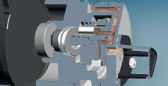
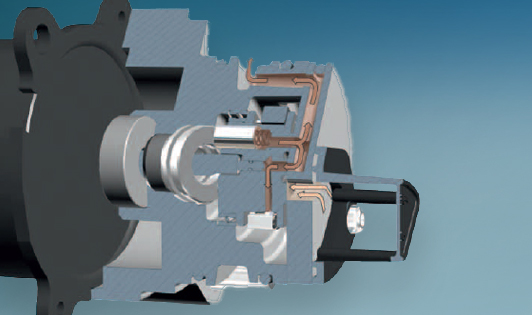
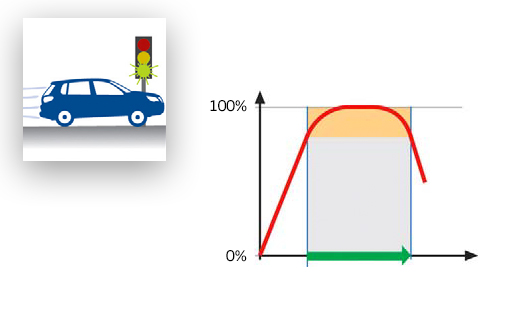
The reciprocating pump and centrifugal governor work together to generate and regulate the system pressure. The regulated system pressure is applied to the working piston.
The working piston pushes the plates together within the clutch basket. The amount of pressure determines how much drive torque is transmitted to the rear axle.
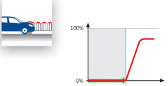
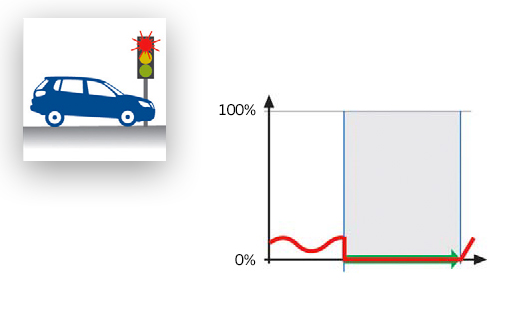
No torque should be transmitted to the rear axle when braking. The valve is opened and pressure on the working piston is reduced. The clutch opens.
Braking
Keeping the vehicle stationary
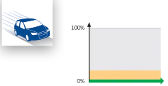
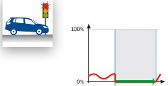
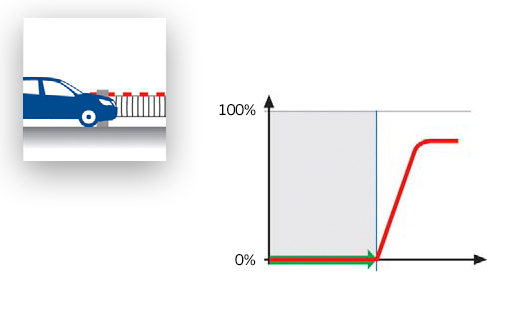
The clutch is open whenever the vehicle is braked. If the vehicle is stationary, the pilot control uses the signal from the position of the accelerator. When the vehicle starts to drive off, pressure is built up again and can be used at full capacity.
Keeping the vehicle stationary
Parking
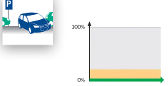
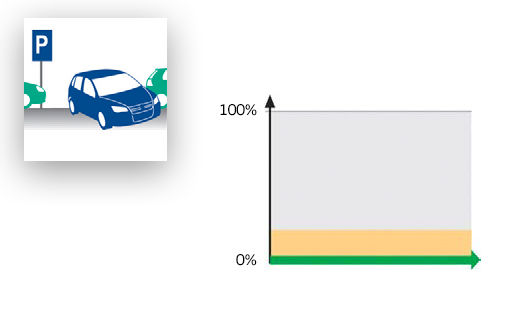
Only a small amount of torque is transmitted when parking. Tension is not applied to the powertrain. The clutch is regulated as required (regulation range).
Working pressure is regulated as required. Signals are received from the control unit; speed sensors use these signals to detect slippage and then calculate the necessary traction.
Intervention by the ESC or ABS
If one of the wheel-slip control systems is activated, the degree to which the clutch is opened is indirectly controlled by the control unit. This can mean, for example, that the clutch opens all the way for ABS intervention and closes for ESC intervention.
Driving on slippery terrain or intervention by the ESP or ABS
Drive torque
Rear axle
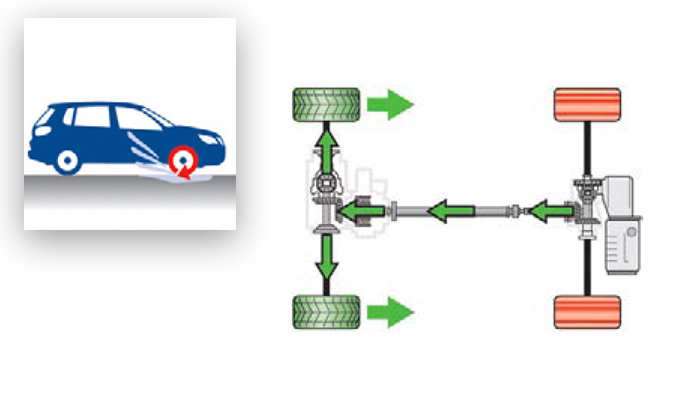
Driving off on slippery terrain (on ice or snow)
The all-wheel clutch is closed if both of the wheels on the front axle start to spin out of control. The rear axle starts to drive the vehicle.
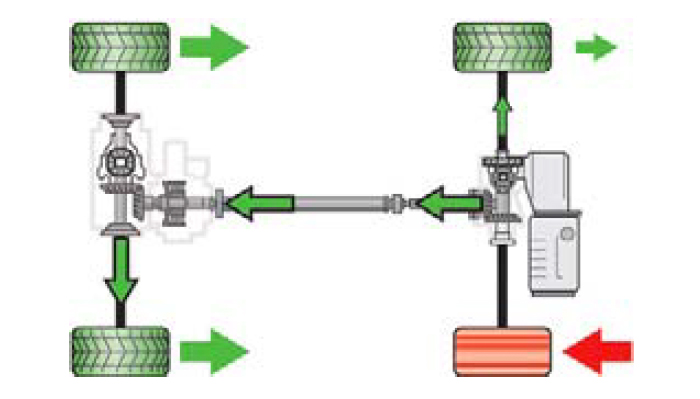
Driving off on slippery terrain (on ice or snow)
If only one of the wheels on the front axle starts to spin out of control, the EDL electronic differential lock intervenes by breaking the spinning wheel and, thus, increasing the drive power to the other wheel. At the same time, the all-wheel clutch is closed and a large proportion of the drive power is transmitted to the rear axle.
4MOTION
The efficient 4MOTION all-wheel drive.
Basic concept
How it works
Performance
Customer benefits
Basic concept
The 4MOTION all-wheel drive works with a fifth generation electronically controlled multi-plate clutch. The drive power is actively distributed to all four wheels before the vehicle can even start to slip. Normally, drive power is only applied to the front axle to save fuel. As soon as there is a risk of traction loss, the system activates the rear axle in just a few split seconds, applying as much power as needed. In parallel to the electronically controlled multi-plate clutch (which works as an inter-axle lock), the electronic differential locks (EDL) integrated into the electronic stabilisation programme (ESC) work as an axial differential lock for all four wheels.
How it works
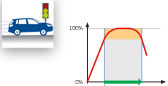
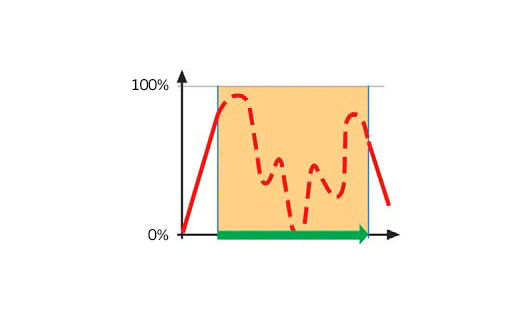
The engine power is distributed to all four wheels as needed and electronically adjusted as soon as the situation requires. In normal mode, the power is transmitted to the front axle at a ratio of 100%:0. However, the electronic control can also transmit up to 100% of the engine power to the rear axle, if needed.
Performance
The electronically controlled multi-plate clutch is a fifth-generation clutch. It transmits a maximum torque of 500 Nm.
Customer benefits
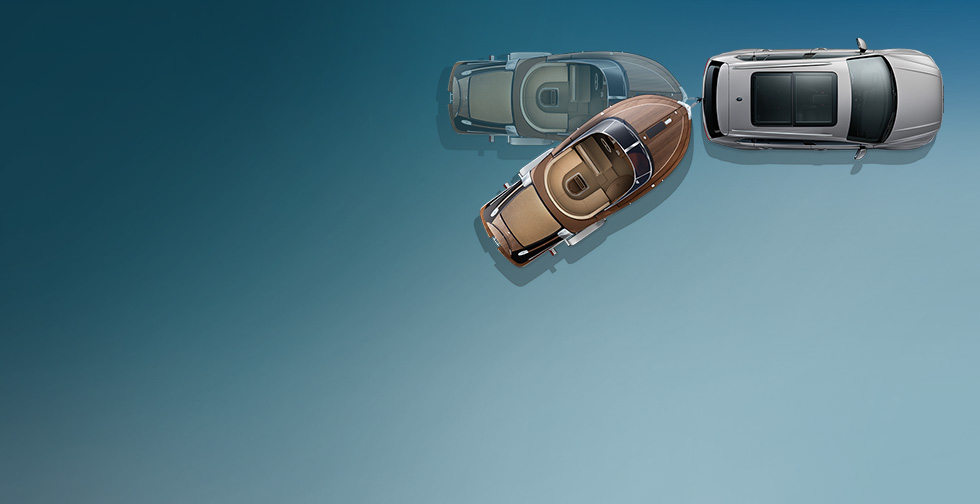
The 4MOTION offers a high level of active safety, reliable traction on almost any surface and the best directional stability at all times — even in cross winds. Due to its permanent advantage when it comes to safety, it is clearly superior to activated all-wheel drive systems. Furthermore, the 4MOTION can be combined with all control systems related to driving dynamics, such as the ESC electronic stabilisation programme, the ASR traction control system, the MSR engine drag torque control and the EDL electronic differential lock. 4MOTION also creates a calmer feeling behind the wheel, even in bad weather or on poor quality terrains. The 4MOTION appeals to fans of a sportier driving style because it has a positive effect on acceleration and allows for higher speeds when travelling round corners. 4MOTION models are particularly well-suited to towing trailers because more strain is put on the rear axle when in tow mode. In this case, the system distributes more power to the rear axle and offers clear benefits when it comes to traction.
4MOTION in action
This video was shot by your Team at Volkswagen Canada Academy to demonstrate the efficiency of 4MOTION.
In the first sequence, you see that a regular fwd Golf as no chance of going up and over the roller slide. 4MOTION however makes it look easy with just a tiny hint of slip of the front wheels before the rear wheels push it forward.
As you will see in second sequence, power is transferred from the wheels that slip to the wheels with grip by the analysis of the ABS sensors and the intervention of the EDL, ASR and ESC systems.
4MOTION Active Control
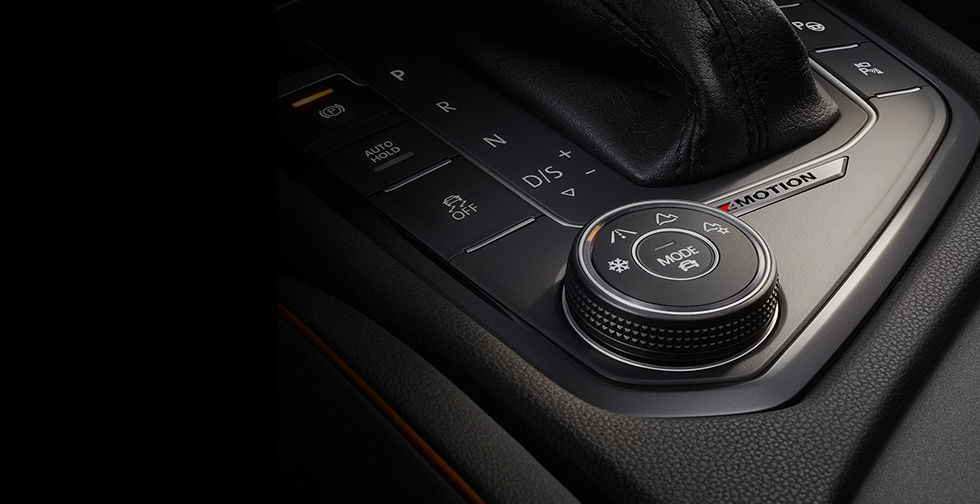
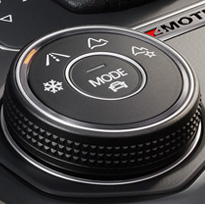
With the 4MOTION permanent four-wheel drive there is a special rotary/pushbutton in the central console for the 4MOTION Active Control system.
Find out about the settings for the 4MOTION Active Control and the benefits they offer for your customers.
How it works
Customer benefits
Electronic differential lock EDL
How it works
The driver can select from four special all-wheel drive modes by turning the outer ring:
Snow
On-road
Off-road (automatic configuration of the off-road parameters)
Off-road Individual (variable settings)
Pressing the central Mode button can also open the driving profiles in the infotainment system.
On the next page, you can find out more about the various all-wheel drive modes.
Customer benefits
Thanks to 4MOTION Active Control your customers can quickly adjust the drive characteristics of the new Tiguan with a single hand movement when off-road or on snow-covered roads, thus increasing both comfort and safety.
EDS –Electronic differential lock
The electronic differential lock guarantees a smooth and comfortable feeling when driving off, as well as improved traction on terrains with varying degrees of grip.
If one of the wheels starts to spin out of control, the electronic differential lock carefully applies the brake and transfers power to the wheel with better grip. The electronic differential lock reduces wear and tear on the tyres and works in vehicles with 4MOTION at speeds up to around 80 km/h. It is a software function included in the ESC electronic stabilisation programme and TCS traction control system.
Driver Profile Selection
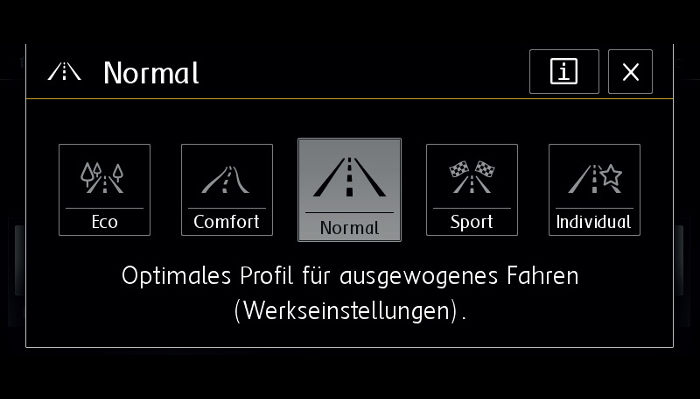
The Driver Profile Selection provides access to various profiles ranging from especially comfortable to very sporty.
The function is called up by pressing the mode button on the central console or via the 4MOTION Active Control. The selected driving profile is then displayed in the multifunction display or on the infotainment system monitor. The driver can choose between the following profiles:
Comfort (only in conjunction with DCC)
Normal
Sport
Eco
Individual
The engine characteristics, ACC adaptive cruise control, dynamic cornering lights, suspension control (DCC) and steering are configured in accordance with the selected mode.
Customer benefits
The driver can easily switch between comfortable, economical or sporty driving styles. Especially when loaded, the differences in the driving profile and DCC are easily noticeable and provide greater passive safety.
Off-road modes
Detail
ESC/ASR
Drive (engine & gearbox)
SNOW
OFFROAD
SNOW
OFFROAD
Technical implementation
The TCS characteristics are adapted (thresholds increased for straight driving and decreased for corners)
Electronically controlled multi-plate clutch control adjusted
HDC active
Hill Start Assist (HHC) active
ABS thresholds increased
ASR thresholds decreased
ESC thresholds increased
Flatter characteristic line for pedals
Earlier gear-change timing
Flatter characteristic line for pedals
Transmission: Off-road characteristic
No automatic switching in Tiptronic gate
Free-wheel off
Driving experience
More traction when driving in a straight line
Better stability when cornering
HDC maintains speed when driving downhill
HHC: Helps when driving off up hills
ABS: Wedge formed on loose terrain
EDL: More locking
No unnecessary intervention by ESC
Better modulation of pedal
Better modulation of pedal
Prevention of gear-changes in critical situations (slopes)
Engine braking always available
At a glance
You have reached the end of the basic drive concept training for the 4MOTION system. Click on the titles to obtain a brief summary of the most important information from this training module.
We hope that you enjoyed the training session and look forward to welcoming you back to another eTraining session again soon.
4MOTION Active Control
4MOTION Active Control allows the driver to choose between four special all-wheel modes:
Snow
On-road
Off-road (automatic configuration of the off-road parameters)
Adjustments to the ESC, ASR and drive system (engine & gearbox) result in noticeable changes to the driving experience – depending on the terrain and the weather, the setting may provide more traction, better grip when cornering or better doseability for the pedals.
The 4MOTION all-wheel drive works with a fifth generation electronically controlled multi-plate clutch. The drive power is actively distributed to all four wheels before the vehicle can even start to slip. Normally, drive power is only applied to the front axle to save fuel.
As soon as there is a risk of traction loss, the system activates the rear axle in just a few split seconds, applying as much power as needed. In parallel to the electronically controlled multi-plate clutch (which works as an inter-axle lock), the electronic differential locks (EDS) integrated into the electronic stabilisation programme (EDC) work as an axial differential lock for all four wheels.
The reciprocating pump and centrifugal governor work together to generate system pressure and regulate the all-wheel drive system.
The plates are pressed together within the clutch basket using varying amounts of pressure, thus determining how much torque is transmitted to the rear axle.
Depending on the vehicle chosen, Volkswagen uses different all-wheel drive systems. In models with a longitudinally mounted engine, a Torsen differential distributes the power to the front and rear axles. The electronically controlled multi-plate clutch is used in vehicles with a transversely mounted engine.
Regardless of the technology used, every all-wheel drive system used at Volkswagen goes by the name of 4MOTION; these systems are available for a range of models.
You will get access to a lot of very exciting content in this eTraining. At this point, we would like to explain a few things so that you can get off to a good start.
You can click on orange coloured elements. You must browse this content to complete the eTraining successfully.
The blue elements contain links to further information and interesting insights.
You have already browsed elements with grey check marks.
Move the mouse over the elements shown below to find out more.
The amount of the training material that you have covered last time is shown here:
Progress
0%
If you want to start the training right from the beginning again, click on “Close Info” or continue from the point that you left off last time. Close InfoContinue
The amount of the training material that you have covered last time is shown here:
Progress
0%
If you want to start the training right from the beginning again, click on “Close Info” or continue from the point that you left off last time. Close InfoContinue